



How to Get Enough Sleep
July 15, 2020
Here are nine tips on getting a good night's sleep!
Experts say that we should be spending one third of our lives sleeping. That’s seven to nine hours wasted each and every day. Think of all the things we could get done if we spent only two or three hours sleeping every night! Or would we? Is it wasted?
Sleep deprivation and deficiency has become a major public health problem in the past few years. It seems that the majority of us have too many things to do to spend the needed hours sleeping. Sometimes the effects of sleep deprivation are seen suddenly. A driver falls asleep at the wheel, a ship runs aground, or a nuclear reactor meltdown occurs. Sleepy drivers are at least as, if not more, dangerous as drunk drivers. Other times the effects of sleep deficiency are not seen for a long time so we ignore the signs and keep on going.
Sleep helps your brain function properly. Studies show that a good night’s sleep helps you learn and store new information, pay attention, control your emotions, have a positive attitude and deal with stress. It also plays a major role in physical health. Ongoing sleep deficiency leads to increased heart disease, kidney disease, diabetes, and obesity. Sleep promotes normal growth and development and in the repair of cells and tissues. Finally, it plays a role in the optimum functioning of the immune system. We are more susceptible to infections when we are sleep deficient. This could be very significant in the current COVID-19 crisis.
Here are some things that promote sleep:
- • Go to bed and wake up at the same time every day.
- • Keep the same basic schedule even on weekends. A one-hour difference on weekends is okay.
- • Use the last hour before bed as quiet time. Strenuous exercise and bright artificial light (think computer and TV) will send signals to your brain to stay awake.
- • Establish a bedtime routine that includes relaxation techniques.
- • Keep your bedroom quiet, cool, and dark.
- • Spend time outside every day.
- • Be physically active for at least 30 minutes every day.
- • Avoid heavy and large meals within three hours of bedtime.
- • Avoid stimulants such as caffeine. This includes soft drinks, coffee, tea, and cocoa. The effects of one cup of coffee can last for at least eight hours.

News

Twenty-one men attended the retreat at Camp Touchet.

After nearly thirty years of prayer, sacrifice, volunteer labor, and unwavering faith, the Grangeville Church celebrated the dedication of its new sanctuary on June 6, 2026

Following a surge in northwest wildfires, ACS has currently raised more than $10,000 through generous donations towards disaster response.

God continues to bless UCC in unexpected ways!

While each UCC regional camp meeting had its own distinct flavor, one message echoed through them all: Jesus.
Wildfire — Being the Hands and Feet of Jesus

From April 26 to May 3, 2026, a group of 82 Maranatha volunteers, ranging from 8–87 years old, repaired, restored and renovated Camp MiVoden in preparation for summer ministry.
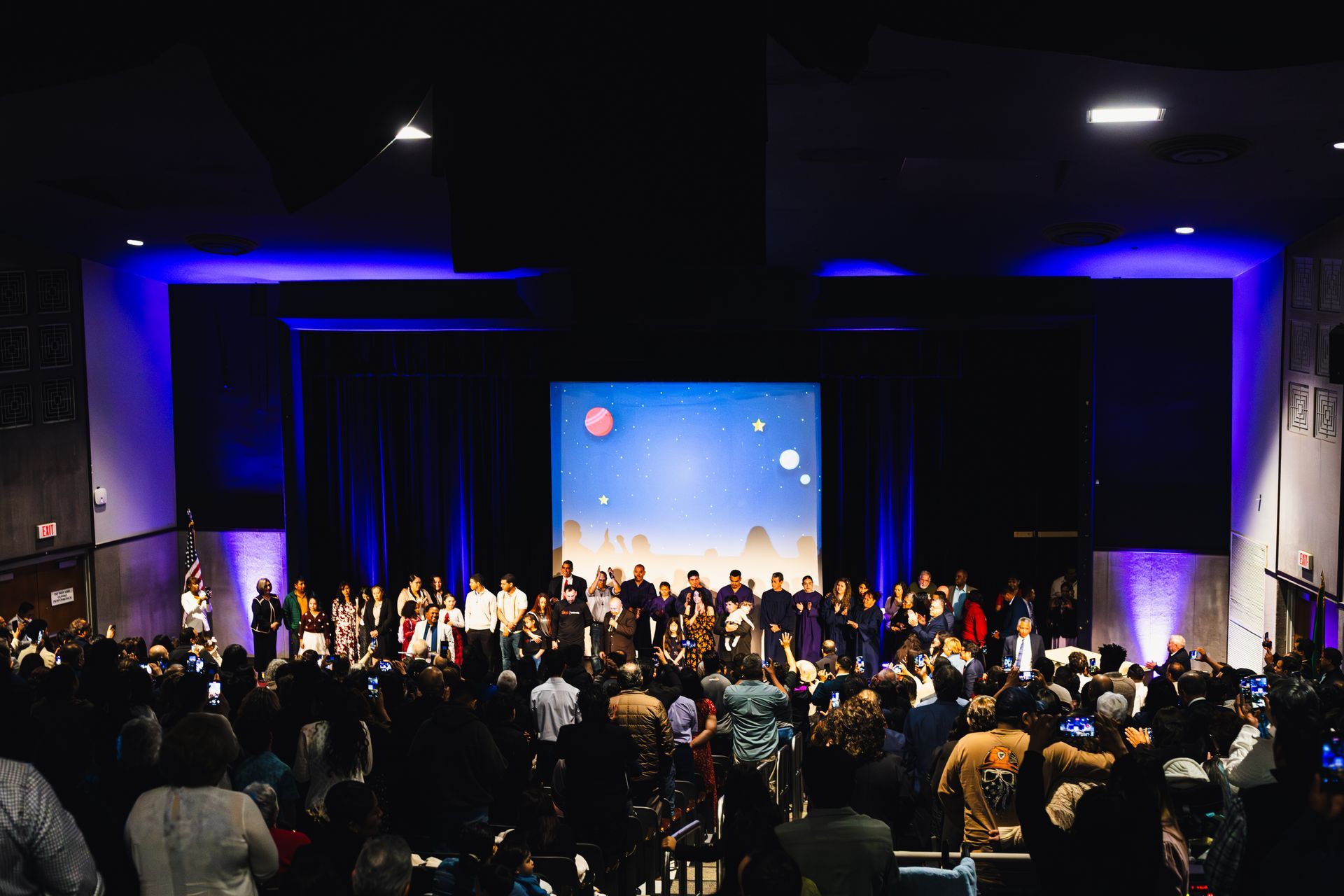
“Try with Jesus” was the rallying cry of the evangelistic caravan, which took place in nine different locations across Upper Columbia Conference from April 17–25, 2026.

During a meeting of the Upper Columbia Conference executive committee held May 7, 2026, Richie Brower was appointed as director of the recently formed community engagement department.

During a meeting of the Upper Columbia Conference executive committee held May 7, 2026, Tim Shafer was appointed as director of Information and Technology Services.
