The Role of Fevers
The mechanisms by which fevers work are complex and many.
By Cindy Williams, RN
Director, Health Ministries
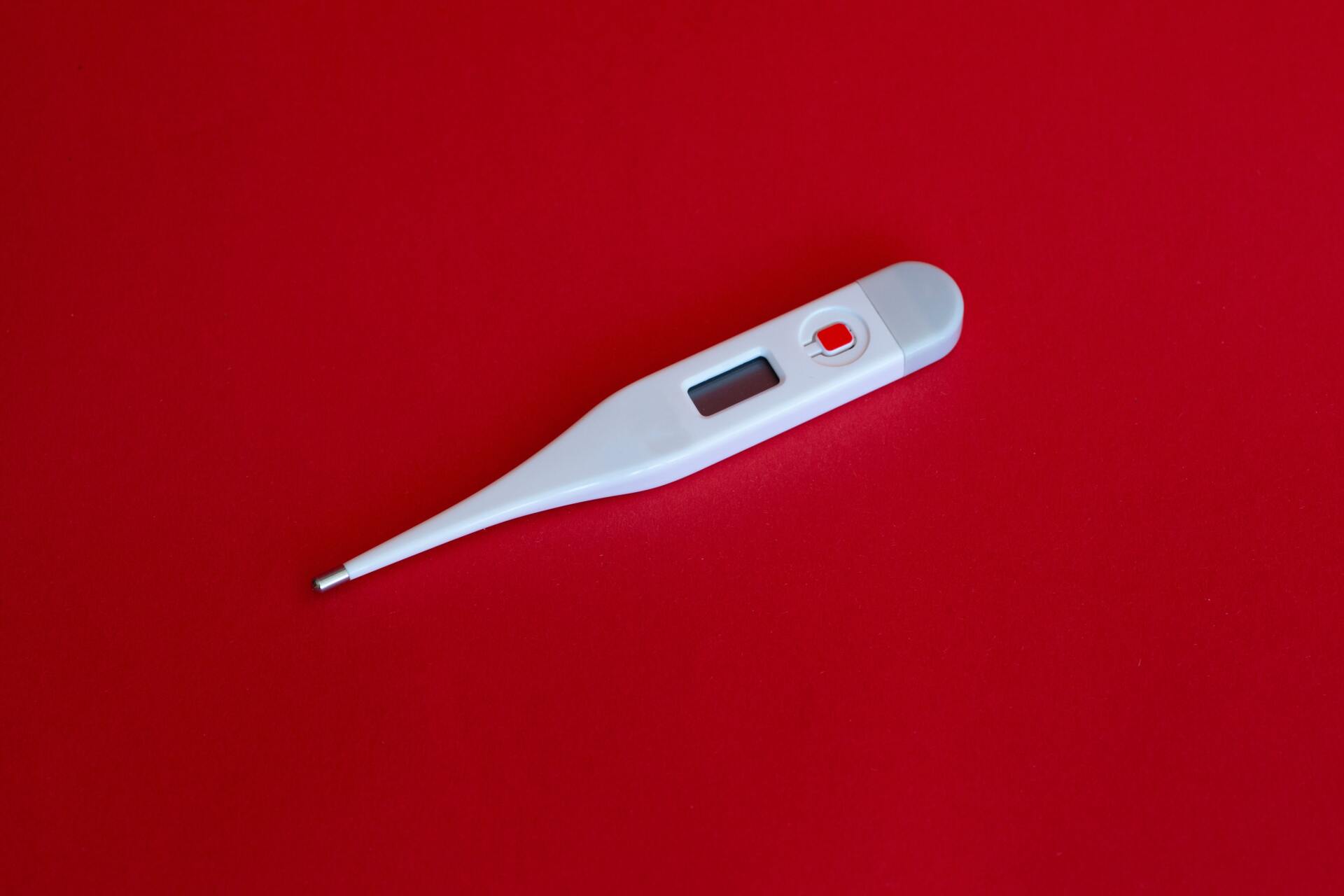
Parents know how scary it can be to have a child with a fever. Children can have temperatures quickly rise to 102° or higher with little obvious cause. Is a fever dangerous? Should it be treated as soon as possible to lower it back to normal? Why do we get a fever in the first place?
The average human body temperature hovers around 98.6 (oral) with normal fluctuations throughout the day of about one degree. Fevers are usually related to the body’s immune system being stimulated by the presence of an infectious agent such as a virus or bacteria. Fever can support the immune system’s attempt to gain an upper hand over infectious agents by making the body a less favorable host for replicating viruses and bacteria, which are temperature sensitive.
The mechanisms by which fevers work are complex and many. These mechanisms impact both the innate and adaptive immune response. The innate immune response is general and begins the battle immediately following a threat. Pyrogenic cytokines are released, sending a message to increase body temperature. The increase in temperature increases both the number and activity of the innate immune system troops: natural killer cells, dendritic cells, macrophages, and neutrophils. Meanwhile, the adaptive immune system is working to deal with the threat in a more specific way. Fevers assist lymphocytes in getting to their target organs, increase their ability to respond to stimuli, and increase receptor bonds.
Ongoing research is looking at the role of fevers in cancer treatment and arthritis in addition to continuing to look at their role in infections and what happens when fevers are inhibited during an infection. While fevers are not universally beneficial, they are an important part of the body’s first response to infection and need to be treated as a friend, not a foe. Let’s not immediately reach for the acetaminophen. Pay attention to your symptoms and only treat when necessary. Give your body a chance to heal itself.
References
https://www.scientificamerican.com/article/what-causes-a-fever/
https://www.ncbi.nlm.nih.gov/pmc/articles/PMC4786079/
This article is part of a continuing series of health during these COVID times. For other articles, please see www.uccsda.org/healthministries.
Photo by Markus Spiske on Unsplash
News