Walla Walla Valley Academy Agriculture Program
Walla Walla Valley Academy starts an agriculture program. In a nation where many children believe that fruits and vegetables come from the grocery store, its more important than ever we educate our students about agriculture.
By: Holley Bryant
Head of Rogers Adventist School and Walla Walla Valley Academy
In a nation where many children believe that fruits and vegetables come from the grocery store, its more important than ever we educate our students about agriculture.
Grocery prices are rapidly rising, so Walla Walla Valley Academy finds value in teaching students how to grow their own food and how to share that bounty with their community.
At WWVA, Bob Nobuhara, science and agriculture teacher, is dedicated to helping students learn and discover the process of farming from seed to harvest. Mr. Nob, as the students call him, is a marine biologist and avid agriculturist. He teaches chemistry, earth science, biology, anatomy and physiology, and agriculture for students from grades 9–12 where they learn valuable knowledge and hands-on skills.
Nobuhara models his agricultural philosophy and curriculum after Paul Gautschi’s Back to Eden Gardening method, recreating a sustainable ecosystem where plants thrive in their natural environment. Jean Martin Fortier, “The Market Gardener,” is an inspiration for his agriculture program, which centers on regenerative agriculture focusing on the health of the ecosystem as a whole.
“When students watch the progress of things growing, they get excited — they take ownership and it allows them to enjoy and be blessed by getting their hands into the dirt, into the soil,” said Nobuhara.
The students are actively part of all the workings on the WWVA farm. They help prepare the soil for planting. During the second semester, they grow seedlings in the classroom using artificial light. Once the plants are thriving, students transplant them to the farm. The planting process for most of the crops starts at the end of March and early April. However, students planted garlic in November because hard and soft neck garlic winter over till spring.
During the summer, the students join Nobuhara in working the farm. Weeding, watering, pruning and harvesting are just a few of the important tasks essential to maintaining the 2-acre farm. The harvest period in the late summer and fall shows students the reward for their hard work. Corn, garlic, tomatoes, peppers, onions, kale, eggplant, cantaloupe, Crenshaw melon and watermelon are just a few of the crops grown on the WWVA farm.
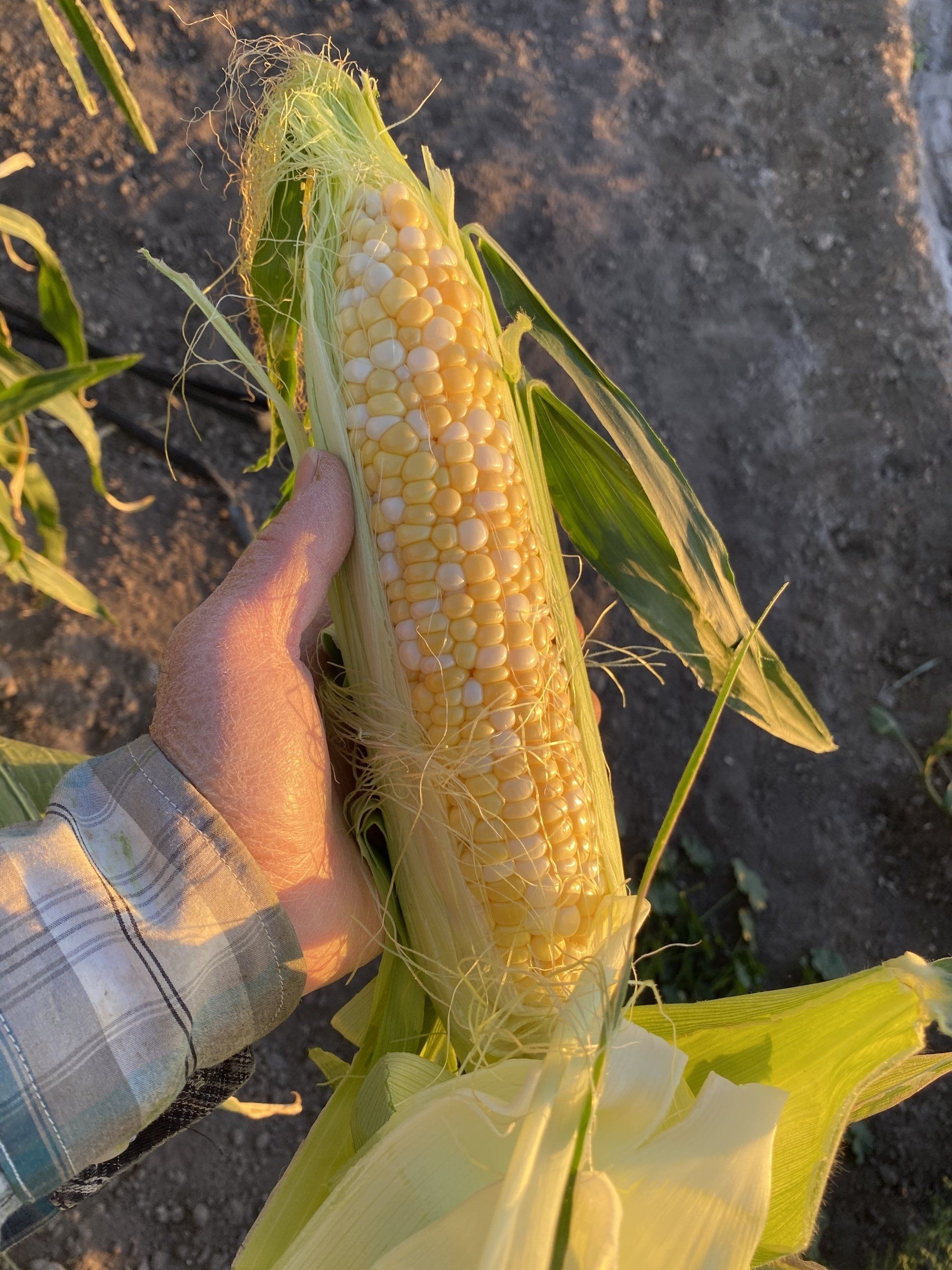
Students share their harvest locally. Most afternoons in September, families can purchase fresh-picked corn off the truck in the WWVA parking lot. The tomatoes, corn, peppers and other produce harvested are shared with families in the community and with students to take home.
WWVA students aren't the only ones who get to participate in learning about farming and agriculture. Nobuhara also shares his wisdom and passion for agriculture with local Pathfinder and Adventurer clubs, touring students though his garden and giving them the chance to get a close-up view of different vegetables on the farm.
Macyn Scherger, WWVA graduate and University of Idaho student, is currently working on her urban agriculture, horticulture and crop science studies. She credits Nobuhara’s agriculture class for inspiring her to pursue her degree in agriculture. “Mr. Nob’s class was a great way to learn and embrace agriculture from multiple perspectives, including the Eden method. His passion for teaching others inspired me to open my own microgreen business and spread the word about how fun it is to grow your own food.”
“The future of agriculture will come from people — from a new generation of farmers who embrace small scale, ecological, nourishing farming techniques,” said Jean Martin Frontier, author of The Market Gardner. At WWVA, we value encouraging a new generation of students who care about farming and food sustainability.
News